Understanding the 800V High Voltage Platform in Electric Vehicles
Recently, various new energy vehicle companies have been vigorously promoting the charging speed of electric cars as one of their key selling points: 5 minutes of charging for 200 kilometers, 12 minutes for 500 kilometers. And among them, the 800V high-voltage platform is repeatedly mentioned.
What is the 800V High Voltage Platform?
800V is a relatively broad term. It does not mean that the entire high-voltage electrical system of the vehicle can always reach 800V. Instead, it’s an average. The voltage range of the entire vehicle is within 550V to 950V, which can be called an 800V high-voltage platform. Currently, most new energy vehicles use a 400V platform, with the voltage range of the entire vehicle electrical system between 230V and 450V.
The mainstream 800V high-voltage platforms currently available in the market mainly consist of three types: the first type is full-range 800V, where all of the vehicle’s electrical systems, such as motors, batteries, controllers, air conditioners, DCDC, etc., support 800V; the second type is key components supporting 800V, such as the electric drive system and battery supporting 800V, while other components such as the air conditioner still use 400V; the third type is only the battery supporting 800V fast charging, while other components remain at 400V.
In fact, the 800V high-voltage platform concept wasn’t new in 2023. As early as 2019, Porsche introduced the first production model, the Taycan, with an 800V high-voltage platform. However, due to its high price, the 800V platform was once almost a luxury car-only configuration.
By 2023, many 800V high-voltage platform vehicles will have flooded the market, intense competition will have driven prices even lower, and more consumers will be considering whether a vehicle has an 800V platform as an important purchase consideration.
What are the benefits of the 800V high-voltage platform?
The reason why automakers choose to upgrade to the 800V high-voltage platform is twofold: on the one hand, it can significantly improve the charging and recharging speed, and on the other hand, because the 800V high-voltage platform can reduce energy loss compared to the 400V platform, it can indirectly improve the vehicle’s range.
However, the energy loss advantage of the 800V high-voltage platform is not very significant. This is because currently, the highest efficiency of motors on 400V platforms can already reach about 97 to 98%. The room for improvement with the 800V high voltage platform is quite limited. If the 400V platform is well optimized, the energy loss can still be reduced. That’s why most car manufacturers have not promoted this aspect very much.
In terms of charging speed, the advantage of the 800V high-voltage platform becomes clear. Power = Voltage x Current (P = UI). To increase charging power, you either increase current or voltage. However, there aren’t many automakers currently choosing to increase charge power through high current schemes, Tesla being one of the few.
The biggest drawback of high-current systems is heating. As the current increases, the heat generated by the entire system increases geometrically, leading to overheating of high-voltage harnesses and battery packs. From an energy consumption perspective, heating increases the energy dissipated in the system. From a safety perspective, battery pack overheating also increases safety risks. In comparison, most automakers currently choose to increase voltage to solve charging efficiency issues.
By increasing the voltage to achieve the same charging power, not only does the charging speed increase, but the current is also reduced accordingly, reducing the heat generated by the harness and battery. It also allows the use of thinner wire harnesses.
What are the challenges of the 800V high voltage platform?
However, whether the 800V high voltage platform can be used for fast charging during the charging process depends not only on whether the vehicle itself supports 800V, but also on the cooperation of the charging stack. Currently, there are relatively few 800V chargers on the market. However, some models are equipped with on-board voltage boosting systems that increase the charging voltage to 800V during the charging process, ultimately achieving fast charging.
Brogen EV Solutions for the 800V high voltage platform
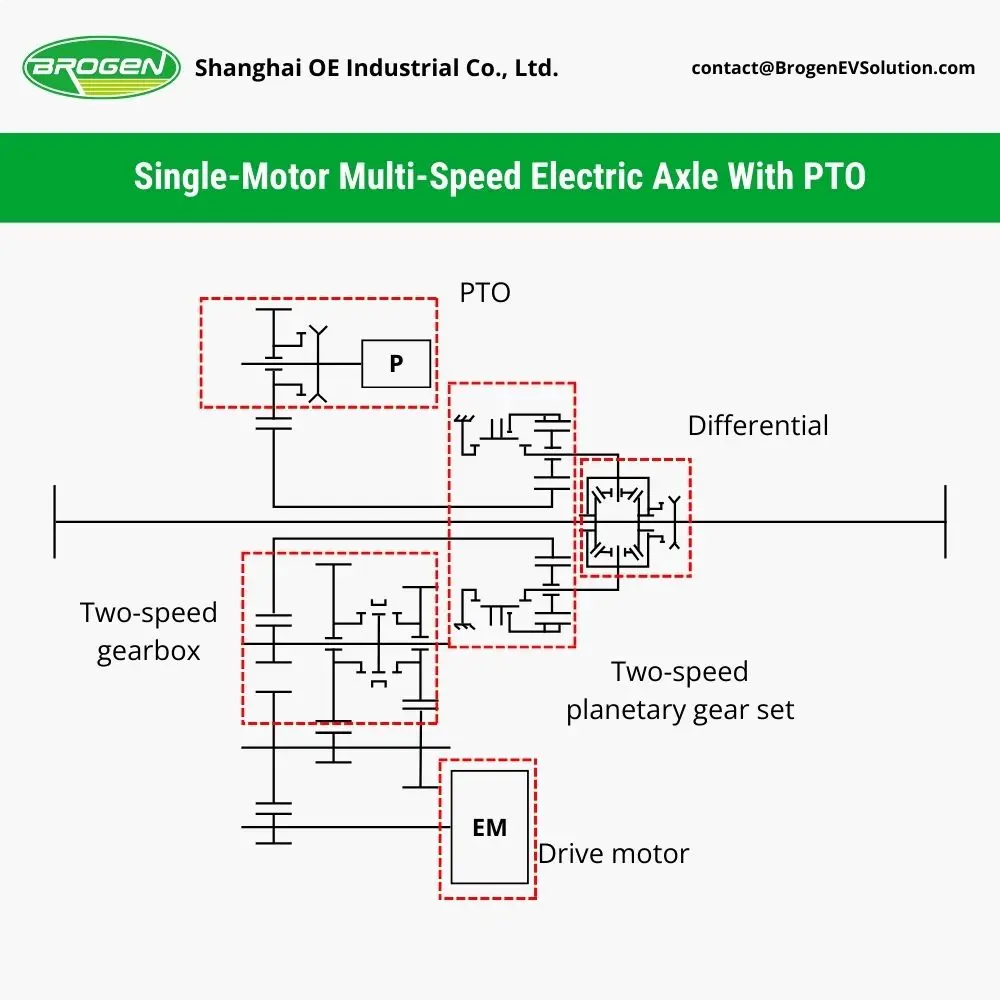
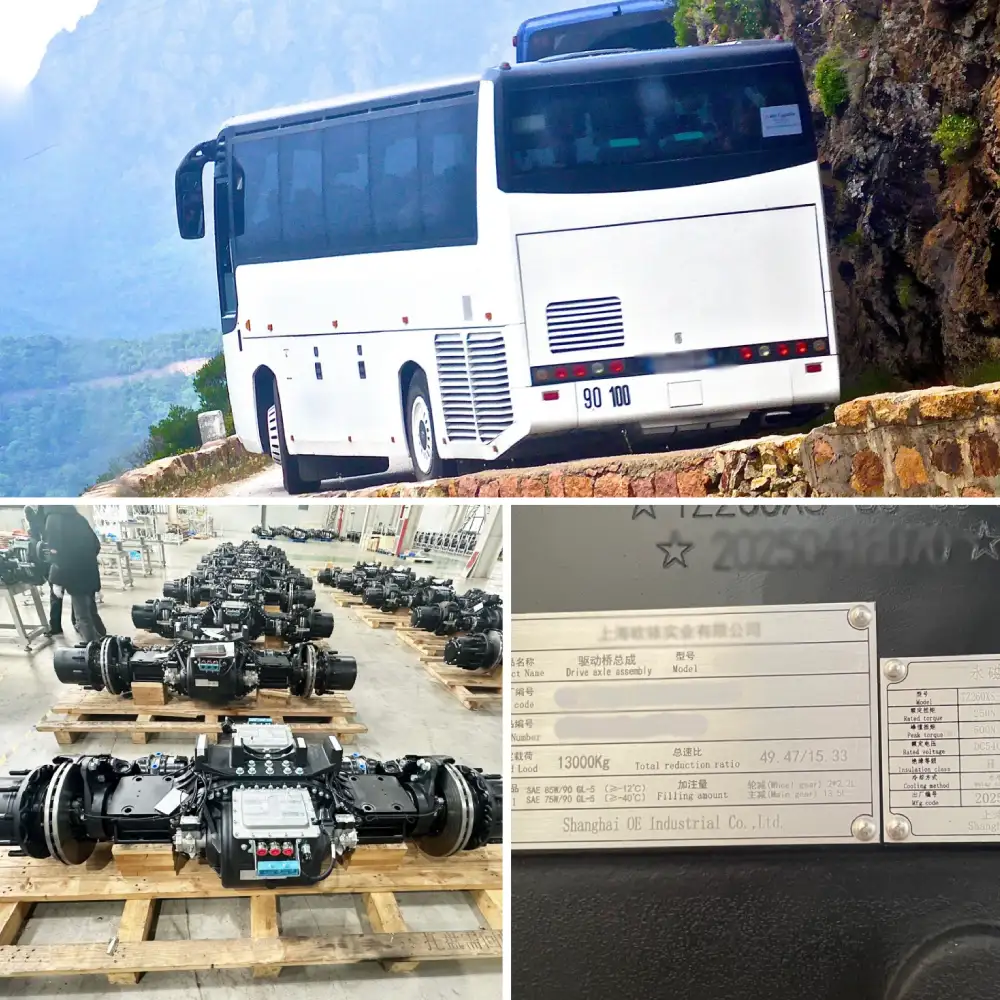
At Brogen, we provide 800V EV system solutions that help OEMs stay ahead in a fast-evolving industry. Our offerings include 800V onboard chargers, oil-cooled hairpin-motor e-axles, and a range of high-performance components engineered for next-generation electric vehicle platforms.
- Business inquiry: contact@BrogenEVSolution.com
Contact Us
Get in touch with us by sending us an email, using the Whatsapp number below, or filling in the form below. We usually reply within 2 business days.
Email: contact@brogenevsolution.com
Respond within 1 business day
Whatsapp: +8619352173376
Business hours: 9 am to 6 pm, GMT+8, Mon. to Fri.
LinkedIn channel
Follow us for regular updates >
YouTube channel
Ev systems introduction & industry insights >