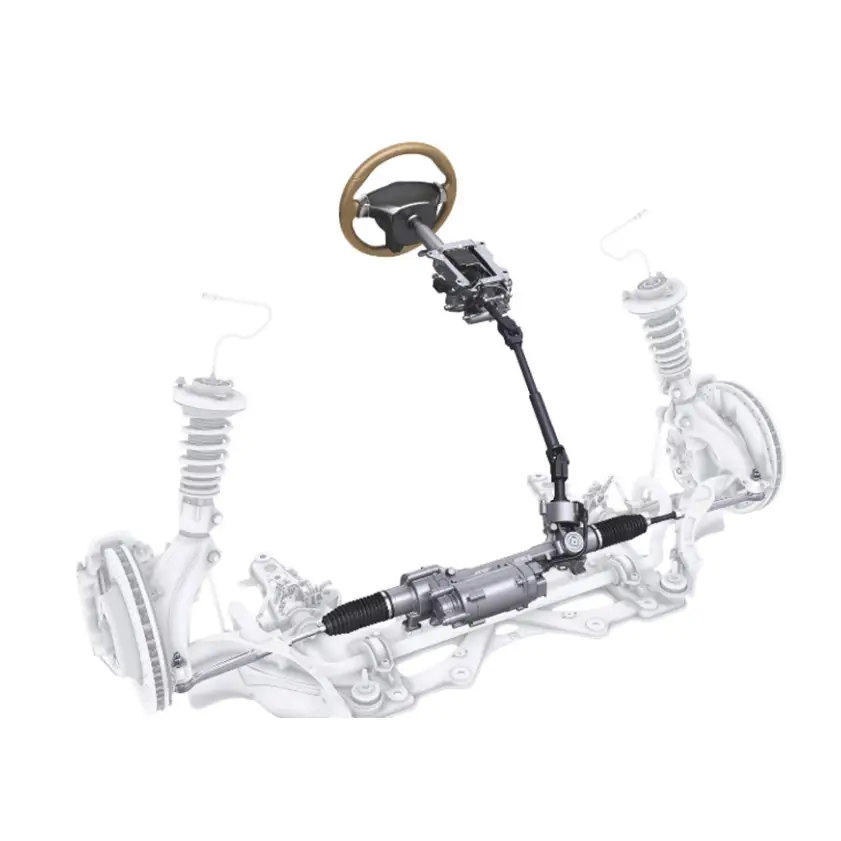
Top 4 Trends in Automotive Steering Systems in 2025 Steering systems are one of the most essential components of any vehicle, impacting safety, control, and efficiency. As automotive technology continues to evolve, so do the demands on them, particularly with the rise of electric vehicles (EVs). Let’s explore the current trends shaping the future of automotive steering systems, with a focus on Electric Power Steering (EPS), Steer-by-Wire (SbW), and innovations designed to improve vehicle performance, safety, and comfort in 2025 and beyond. 1. Widespread Adoption and Optimization of Electric Power Steering (EPS) The adoption and optimization of Electric Power Steering (EPS) will become a mainstream trend in the automotive industry. With the growing popularity of electric vehicles, EPS will see expanded use due to its high efficiency and energy-saving features. In the coming years, EPS technology will be further refined to reduce energy consumption and enhance response speed. Additionally, EPS will be integrated more deeply with other vehicle electronic systems, such as brakes and suspension, for more efficient coordinated control. Moreover, Steer-by-Wire technology, which replaces traditional mechanical connections with electronic signals, will also make significant advancements. This will improve steering precision and response times, while providing safer steering control for autonomous vehicles. 2. Intelligent and Adaptive Steering Systems The trend towards intelligent and adaptive steering systems will play a critical role in the future of automotive technology. Steering systems will evolve to automatically adjust steering force and feedback based on driver habits, road conditions, and vehicle speed, offering a more personalized driving experience. By integrating sensor technology and artificial intelligence (AI), these systems will be able to detect real-time road conditions, such as slippery surfaces or obstacles, and automatically adjust steering strategies to improve safety. These adaptive systems will be deeply integrated with autonomous driving technologies, enabling precise path tracking and obstacle avoidance. Additionally, redundant designs will ensure that these systems continue to function effectively even if part of the system fails, enhancing both safety and reliability. 3. Focus on Energy Efficiency, Sustainability, and Personalized Comfort As environmental concerns and fuel efficiency remain at the forefront of automotive development, future steering systems will place increased emphasis on energy efficiency and sustainability. Steering systems will be designed to reduce the load on vehicle powertrains, particularly in electric vehicles, which require maximum battery efficiency. Moreover, eco-friendly materials will be incorporated into the design of steering systems to minimize environmental impact. Beyond energy conservation, personalized comfort will be a key focus. Steering systems will allow drivers to choose from different steering feedback modes, such as sport or comfort, based on personal preference. In addition, smarter power assistance will help reduce driver fatigue, especially during long drives. On the safety front, steering systems will be equipped with fault detection and self-repair capabilities. These systems will also be integrated with ADAS (Advanced Driver Assistance Systems) to offer lane-keeping, automatic obstacle avoidance, and other active safety features. 4. Advanced Materials, New Manufacturing Processes, and Vehicle Connectivity The application of new materials and advanced manufacturing processes will play a pivotal role in the continued innovation of steering systems. Lightweight, high-strength materials such as carbon fiber and aluminum alloys, along with cutting-edge technologies like 3D printing, will enable the creation of more complex and reliable steering components, leading to enhanced performance. Additionally, steering systems will benefit from increased vehicle-to-vehicle (V2V) and vehicle-to-infrastructure (V2X) connectivity, enabling collaborative steering control across connected vehicles. Cloud-based data analysis will allow for real-time optimization of steering strategies, adapting to various driving environments and enhancing overall performance and safety. Conclusion: Steering Systems in 2025 and Beyond By 2025, automotive steering system will be more intelligent, efficient, and sustainable than ever before. From the widespread adoption of Electric Power Steering (EPS) to the breakthrough advancements in Steer-by-Wire technology, the future of steering is set to offer a more responsive, personalized, and safe driving experience. The integration of AI, adaptive features, and eco-friendly materials will redefine how we interact with vehicles, while vehicle connectivity and advanced manufacturing processes will push the boundaries of steering performance and reliability. As the automotive industry moves toward greater sustainability and automation, steering systems will continue to evolve, playing a pivotal role in shaping the future of electric mobility and autonomous driving. How Can We Help? At Brogen, we specialize in the development, production, and sales of electric power steering solutions for the automotive industry since 2007. Our power steering system range has expanded from hydraulic systems to electric solutions like EHPS, eRCB, EPS, and SbW, with over 2,500 models for both traditional and electric vehicles. In response to the growing demand for commercial vehicle steering upgrades, we’ve focused on developing EPS systems for light, medium, and heavy commercial vehicles, achieving mass production through continuous R&D innovation. Brogen EPS Factory Energy efficient Light and responsive steering Flexible system layout Low noise, high comfort, and active safety Fast matching and rapid development Compatibility with ADAS and autonomous driving Learn more here: https://brogenevsolution.com/electric-power-steering-solutions/ Business inquiry: contact@brogenEVSolution.com Contact Us Get in touch with us by sending us an email, using the Whatsapp number below, or filling in the form below. We usually reply within 2 business days. Email: contact@brogenevsolution.com Respond within 1 business day Whatsapp: +8619352173376 Business hours: 9 am to 6 pm, GMT+8, Mon. to Fri. LinkedIn channel Follow us for regular updates > YouTube channel Ev systems introduction & industry insights > ContactFill in the form and we will get in touch with you within 2 business days.Please enable JavaScript in your browser to complete this form.Please enable JavaScript in your browser to complete this form. Name * FirstLast Work Email *Company Name *Your Project Type *– Please select –Car, SUV, MPVBus, coach, trainLCV (pickup truck, light-duty truck, etc.)HCV (heavy-duty truck, tractor, trailer, concrete mixer, etc.)Construction machinery (excavator, forklift, crane, bulldozer, loader, etc.)Vessel, boat, ship, yacht, etc.Others (please write it in the note)Your Interested Solutions *– Please select –Motore-AxleBatteryChassisAuxiliary inverterOBC / DCDC / PDUAir brake compressorEPS / EHPS / SbW / eRCBBTMSOthers (please write it in the note)Do you have